Take a moment and think about how often you check your phone.
Notifications. Messages. Emails. Scrolling. Switching between tabs.
Now imagine doing that dozens, sometimes hundreds of times a day.
It’s no surprise that researchers have started asking: what is all this doing to our brains?
A neuroscience review published in Dialogues in Clinical Neuroscience explored how digital media use may influence attention and how deeply we process information. Some studies suggest that constant multitasking can reduce our ability to focus. Others show that reading long, complex texts on screens may lead to more superficial processing compared to reading on paper.
But here’s the key point:
– Digital tools themselves are not the enemy.
– What matters is how we use them.
– And even more importantly – who is using them.
One Digital World. Many Different Minds.
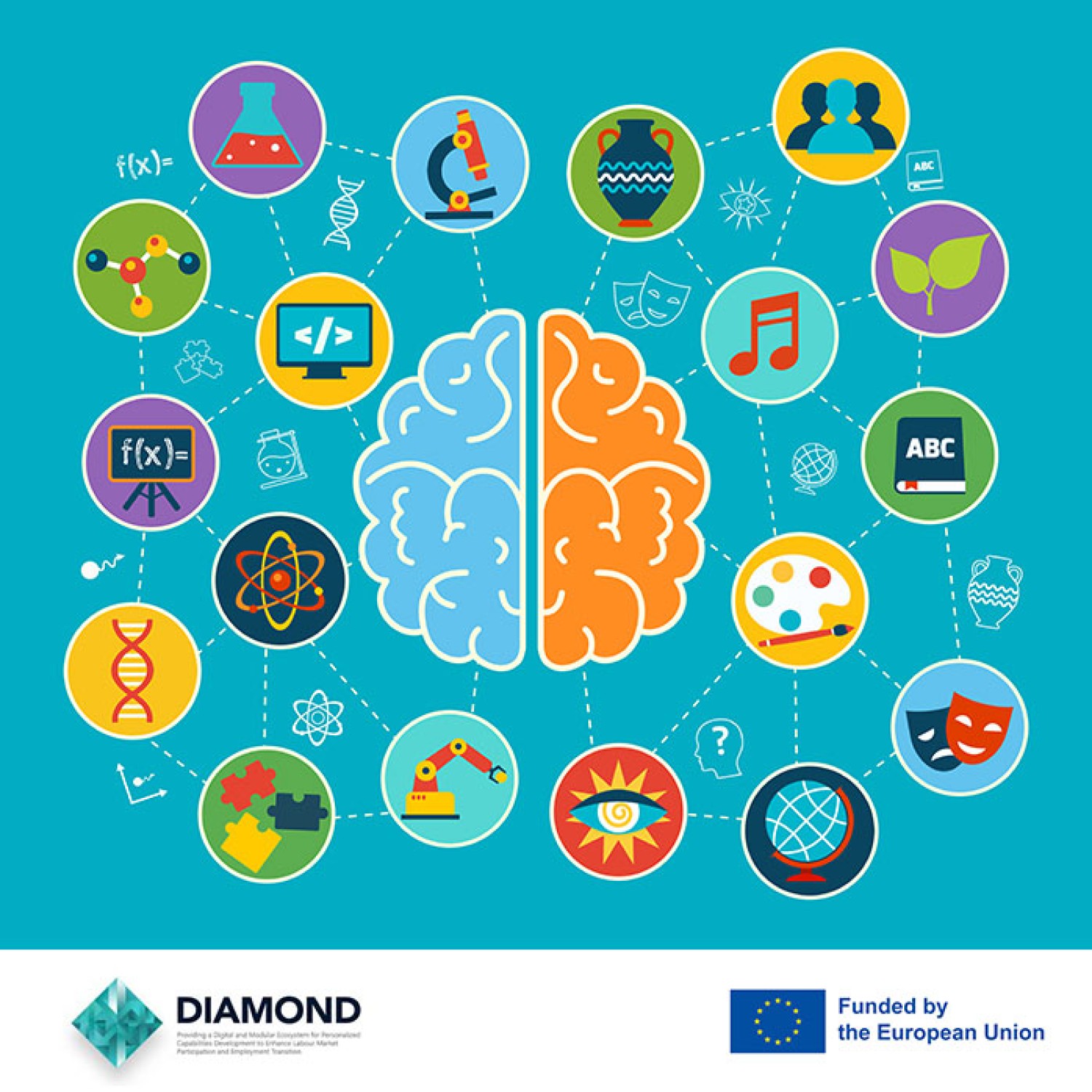
The digital revolution hasn’t created one type of thinker. If anything, it has revealed how different we already are.
Some people can hyper-focus for hours.
Some think visually and connect ideas quickly.
Some thrive in fast-moving, multitasking environments.
Others need quiet and depth to produce their best work.
In the past, certain environments favored one cognitive style over others. Today, digital collaboration opens space for more diversity, if we design it intentionally.
This is where cognitive diversity becomes essential.
Innovation doesn’t come from identical minds following identical patterns. It grows when different thinking styles meet, challenge each other, and build something new together.
Neurodiversity Is an Innovation Advantage
In tech and digital spaces, we often talk about speed, efficiency, and optimization.
But real progress also requires:
- Creative divergence
- Deep reflection
- Systems thinking
Emotional intelligence
Neurodiversity in tech isn’t just about inclusion. It’s about performance. Teams that include different cognitive strengths are often more creative, more adaptable, and better at solving complex problems.
The digital future will not be shaped by one ideal way of thinking.
It will be shaped by many.
Designing the Future Differently
Instead of asking whether digital change is good or bad for us, maybe we should be asking better questions:
Are we building digital environments that allow different attention styles to thrive?
Are we creating inclusive workplaces where diverse cognitive strengths are valued?
Are we designing collaboration spaces that don’t reward only one way of thinking?
At DIAMOND, we believe the future of innovation depends on inclusion, not just across backgrounds and disciplines, but across ways of thinking.
Because in a world shaped by technology, the greatest advantage isn’t speed.
It’s diversity of thought.
And that’s something no algorithm can replace. 💎
Source: PMC, The impact of the digital revolution on human brain and behavior: where do we stand?
Funding Agency: European Research Executive Agency (REA)